Electrical Utility Readiness
Incoming mains supply, dedicated isolation transformers, and verified clean earth grounding bars installed before control cabinets are energized.
Integration projects succeed when physical site conditions, commissioning access, and technical responsibilities are clearly defined before on-site deployment.
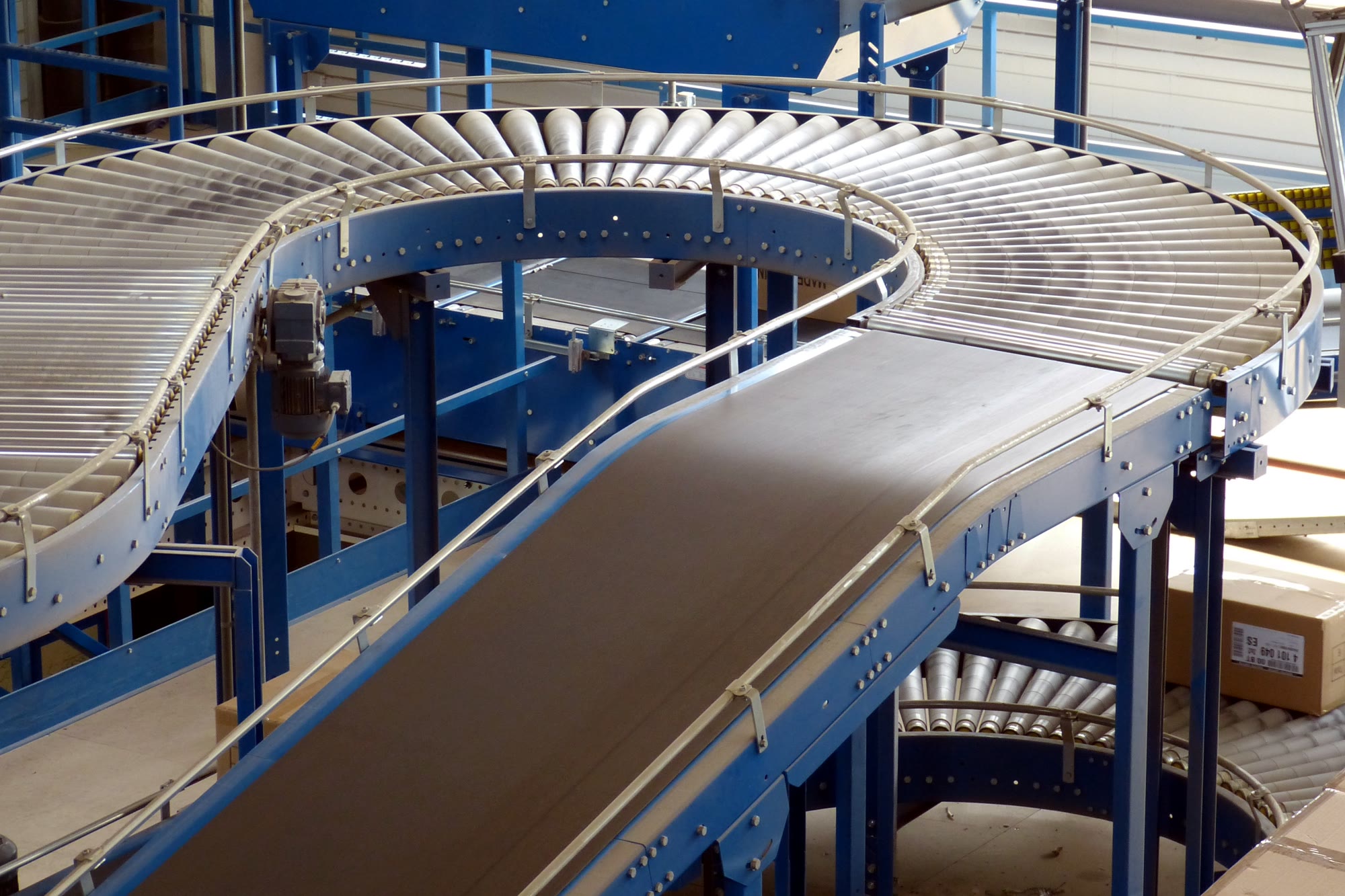
Essential site conditions and physical prerequisites required before on-site commissioning begins.
Incoming mains supply, dedicated isolation transformers, and verified clean earth grounding bars installed before control cabinets are energized.
Conveyor framing, pneumatic drops (filtered and regulated), and actuator linkages mechanically mounted and aligned before end-to-end input and output checks.
Dedicated industrial cabling and physical or firewall separation between machine controllers and general plant office networks.
Coordinating on-site integration activities with facility production schedules.
Scheduling physical cabinet cutovers and wiring changeovers during planned maintenance shutdowns or holiday windows with agreed site access.
On multi-station lines, executing integration in staged phases to allow partial production testing while adjacent sections undergo wiring.
Keeping wiring records and control backups available should an unexpected delay require a return to the prior operating state.
Setting out what the controls integrator, facility team, and mechanical contractor each handle.
Control panel schematics, cabinet assembly, controller software, field communication cabling, and coordinated system commissioning.
Main electrical feed to disconnect switch, plant lighting, primary cable raceways, and facility utility connections to the integration boundary.
Machine framing, pneumatic plumbing, mechanical guard fabrication, and conveyor leveling outside the control panel scope.